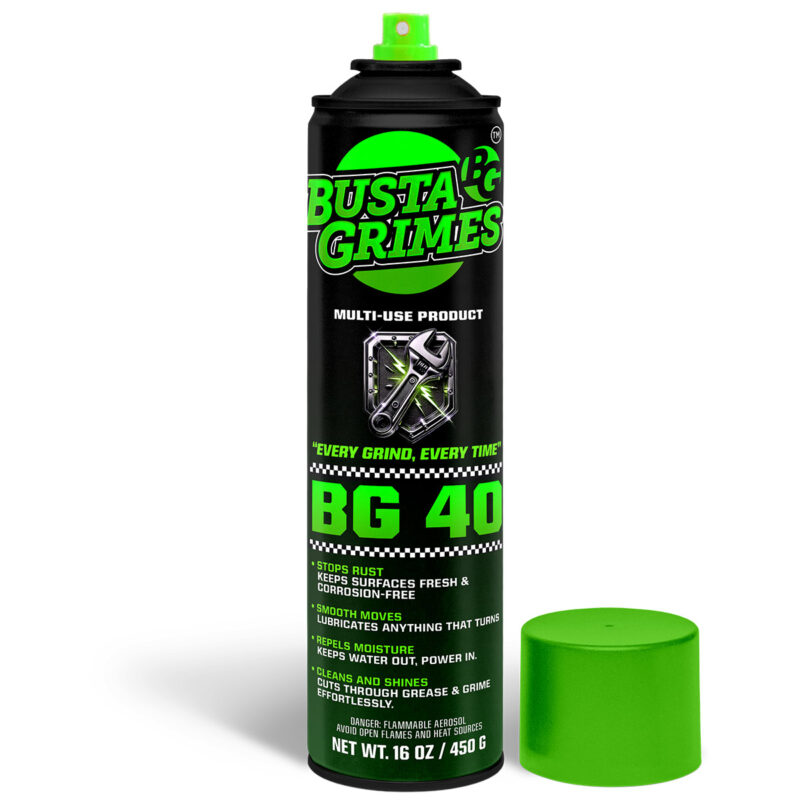
Heavy duty degreasers are essential tools in many industries, offering a robust solution for removing stubborn grease, oil, and dirt from various surfaces. Whether in a commercial kitchen, an auto repair shop, or an industrial setting, these powerful cleaners play a critical role in maintaining cleanliness and efficiency. Understanding how to choose and use these degreasers effectively can lead to better safety, hygiene, and equipment longevity. This guide provides comprehensive insights into selecting and utilizing heavy duty degreasers, ensuring you make informed decisions for your needs.
Understanding Heavy Duty Degreasers
Heavy duty degreasers are specially formulated cleaning agents designed to tackle tough grease and grime. Unlike regular cleaners, these degreasers contain stronger chemical compounds that break down and dissolve heavy-duty residues. Their applications range from industrial equipment maintenance to everyday cleaning tasks in environments exposed to heavy oil and grease build-up.
Key Components
- Surfactants: These are the primary agents that help in breaking down grease and oil, ensuring effective cleaning.
- Solvents: Solvents aid in dissolving tough residues, making it easier to wash away stubborn grime.
- Emulsifiers: These components help in suspending oil and grease in water, facilitating easy rinsing.
For a deeper understanding, read more about this topic.
Applications and Benefits
Heavy duty degreasers are versatile and can be employed in multiple settings. Here are some common applications and benefits:
- Industrial Cleaning: Essential for maintaining machinery and equipment, heavy duty degreasers help in preventing mechanical failures and prolonging the lifespan of industrial tools.
- Commercial Kitchens: These degreasers effectively clean kitchen surfaces, ensuring compliance with health regulations and minimizing the risk of contamination.
- Automotive Maintenance: In auto repair shops, degreasers are used to clean engines and parts, ensuring optimal performance and efficiency.
To explore further insights, learn more in this detailed guide.
Choosing the Right Heavy Duty Degreaser
Choosing the appropriate degreaser involves considering several factors that align with your specific needs. Here?s what to keep in mind:
- Surface Compatibility: Ensure the degreaser is suitable for the surfaces you’ll be cleaning to avoid damage or discoloration.
- Environmental Impact: Opt for biodegradable and eco-friendly options if concerned about environmental effects.
- Safety Measures: Check for safety certifications and ensure proper handling instructions are followed to prevent harm or accidents.
For additional information, find more details here.
Safety and Usage Tips
While heavy duty degreasers are effective, proper usage and safety measures must be observed:
- Read Labels Carefully: Always follow the manufacturer’s instructions for dilution and application to ensure safe and effective use.
- Wear Protective Gear: Use gloves, goggles, and protective clothing to prevent skin and eye contact with the chemicals.
- Ventilation: Ensure the area is well-ventilated to avoid inhaling fumes, which can be harmful.
- Storage: Store in a cool, dry place, away from direct sunlight and out of reach of children.
Explore further insights here to ensure safe handling practices.
Conclusion
Heavy duty degreasers are indispensable in maintaining cleanliness and efficiency across various industries. By understanding their composition, applications, and safe usage practices, users can maximize their benefits while minimizing potential risks. Selecting the right degreaser involves considering factors such as surface compatibility, environmental impact, and safety measures. For a comprehensive guide on these powerful cleaning agents, explore further here.