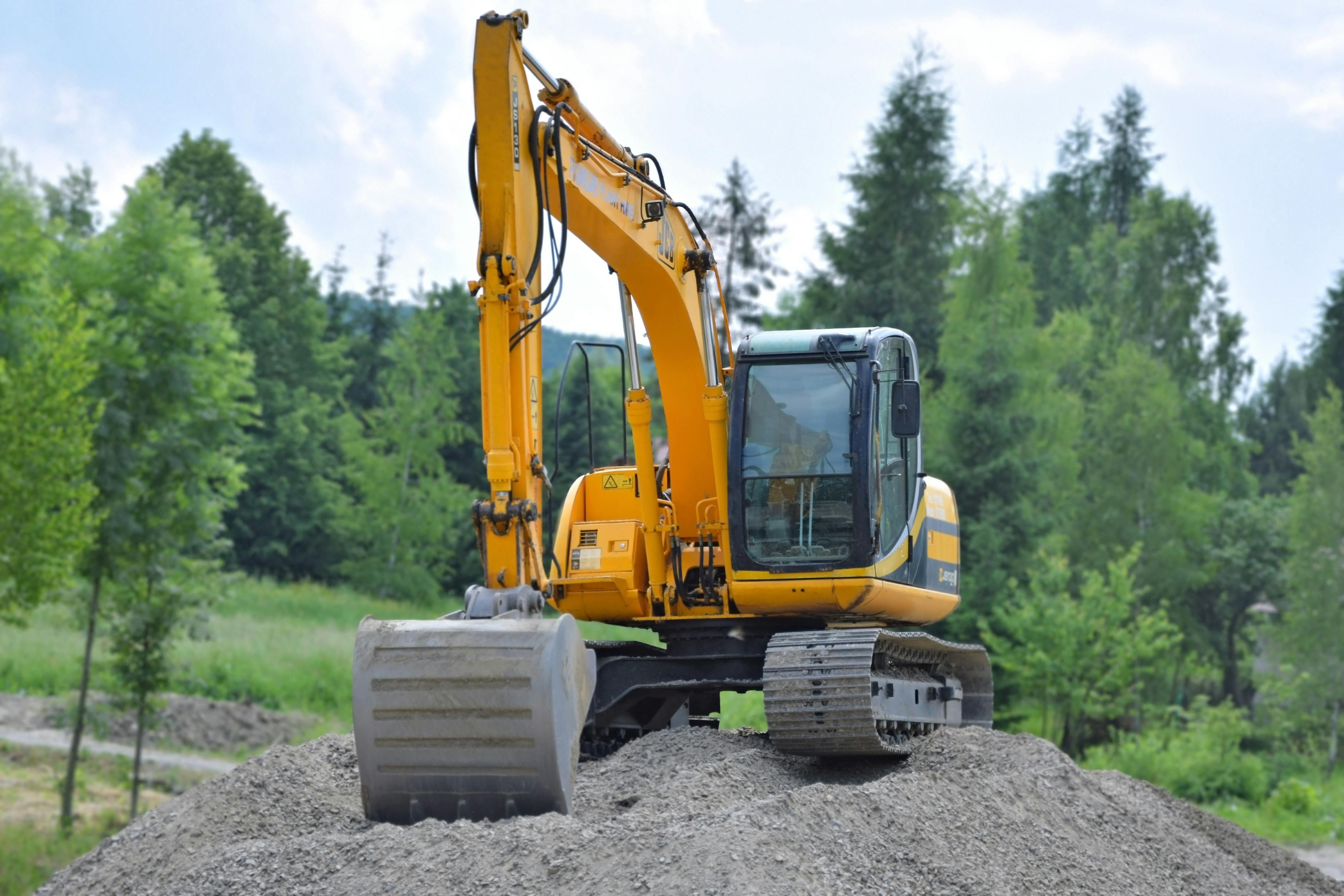
Renting an amphibious excavator can be a game-changer for construction projects involving challenging terrains and waterlogged environments. These versatile machines offer the ability to operate both on land and in water, making them indispensable for tasks such as dredging, flood control, and wetland restoration. However, renting the right equipment requires careful consideration of several factors to ensure that it meets project needs effectively and efficiently. This guide provides essential tips for renting an amphibious excavator and highlights key considerations to make the most of this specialized machinery.
Assess Your Project Requirements
Before renting an amphibious excavator, it’s crucial to assess the specific requirements of your project. Consider the following:
- Terrain Type: Understand whether your project involves soft ground, shallow water, or deeper aquatic environments.
- Project Scope: Determine the scale and duration of your project to choose an appropriately sized excavator.
- Attachments Needed: Identify any specific attachments required, such as buckets or dredging pumps.
For more detailed insights on matching equipment to project needs, Explore advanced guides and tips available online.
Consider Equipment Specifications
Choosing the right excavator involves careful analysis of its technical specifications. Key factors to consider include:
- Engine Power: Ensure the excavator has sufficient power to handle the expected workload.
- Buoyancy and Stability: Check the machine’s ability to float and maintain stability in waterlogged areas.
- Reach and Digging Depth: Verify that the excavator can reach and dig to the required depths for your project.
For a deeper understanding of these specifications, Discover expert strategies here.
Evaluate Rental Terms and Conditions
Understanding rental terms is crucial to avoid unexpected costs and complications. Consider the following aspects:
- Rental Duration: Confirm the rental period and any flexible options for extension.
- Insurance and Liability: Ensure the rental agreement includes adequate insurance coverage.
- Maintenance and Support: Check if the rental includes routine maintenance and technical support.
To gain insights into standard rental terms, Find out more about this approach.
Plan for Logistics and Transportation
Transporting an amphibious excavator can be challenging due to its size and weight. Key logistics to consider include:
- Delivery Options: Confirm if the rental company offers delivery and pick-up services.
- Site Accessibility: Ensure that the project site can accommodate the delivery and operation of the machine.
- Permits: Check for any required permits for transportation and operation in water bodies.
For comprehensive logistics planning, Learn about our tailored solutions.
Safety and Operator Training
Safety should always be a top priority when operating heavy machinery. Consider the following safety measures:
- Operator Certification: Ensure operators are adequately trained and certified to handle amphibious excavators.
- Safety Gear: Provide necessary safety equipment, such as life vests and helmets.
- Regular Safety Checks: Implement routine safety inspections of the equipment.
For guidelines on ensuring safety and operator proficiency, Explore advanced guides and tips.
Renting an amphibious excavator involves more than just choosing a machine; it requires a comprehensive understanding of project needs, equipment specifications, rental logistics, and safety considerations. By following these tips, project managers can ensure a seamless rental experience, leading to successful project execution in challenging environments.