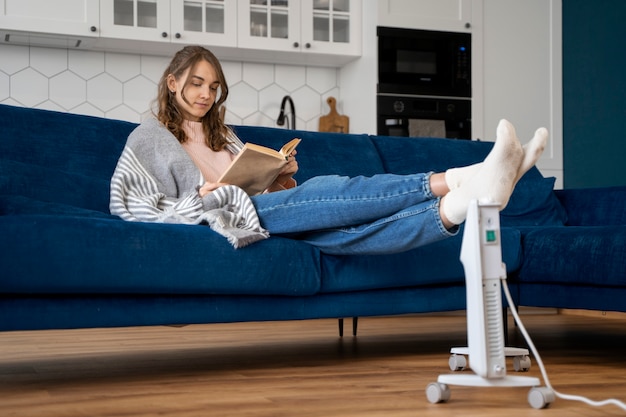
Maintaining a healthy indoor environment is crucial for well-being, particularly when it comes to indoor air quality. Poor air quality can lead to various health issues such as allergies, asthma, and respiratory infections. With increasing awareness about the importance of clean air, numerous tests have been developed to assess and improve the air quality within homes and offices. Understanding and utilizing these tests can significantly enhance the comfort and health of indoor spaces.
Types of Indoor Air Quality Tests
Indoor air quality tests are designed to identify different types of pollutants and provide insights into the health of your indoor environment. Here are some of the most common tests available:
Mold Testing
Mold can be a significant indoor pollutant, contributing to respiratory problems and allergic reactions. Mold testing helps in detecting hidden mold, identifying the type of mold present, and determining the concentration level. For more comprehensive insights, Discover expert strategies here.
Radon Testing
Radon is a colorless, odorless gas that can cause lung cancer. It is crucial to conduct radon testing, especially in areas known for high radon levels. This test can be conducted using short-term or long-term detectors, providing homeowners with critical information about radon presence and concentration.
Volatile Organic Compounds (VOCs) Testing
VOCs are emitted by a wide range of products and can lead to various health issues. Testing for VOCs helps identify the presence and concentration of these compounds indoors. This can involve using special devices that measure the levels of different VOCs, helping to address and mitigate their impact effectively. Learn about our tailored solutions to tackle VOC concerns.
Understanding the Results
Once the tests are conducted, interpreting the results accurately is crucial for taking appropriate actions. Test results typically indicate:
- The presence of specific pollutants.
- The concentration levels of detected pollutants.
- Recommendations for remediation or further action.
Understanding these results can help in making informed decisions about improving indoor air quality. For guidance on interpreting results, Explore advanced guides and tips.
Improving Indoor Air Quality
After testing and understanding the results, the next step is to implement strategies to improve indoor air quality. Here are some effective approaches:
- Increase ventilation by opening windows or using fans to reduce pollutant concentrations.
- Utilize air purifiers with HEPA filters to remove airborne particles.
- Regularly clean and maintain HVAC systems to ensure optimal performance.
- Use low-VOC products to minimize the introduction of harmful compounds indoors.
For more detailed strategies on improving air quality, Find out more about this approach.
Conclusion
Indoor air quality tests are vital tools in identifying and mitigating pollutants that could impact health. By choosing the right tests and interpreting their results accurately, individuals can make informed decisions to maintain a healthy indoor environment. Regular testing and proactive measures can significantly enhance the quality of life for occupants, ensuring a safe and comfortable space.