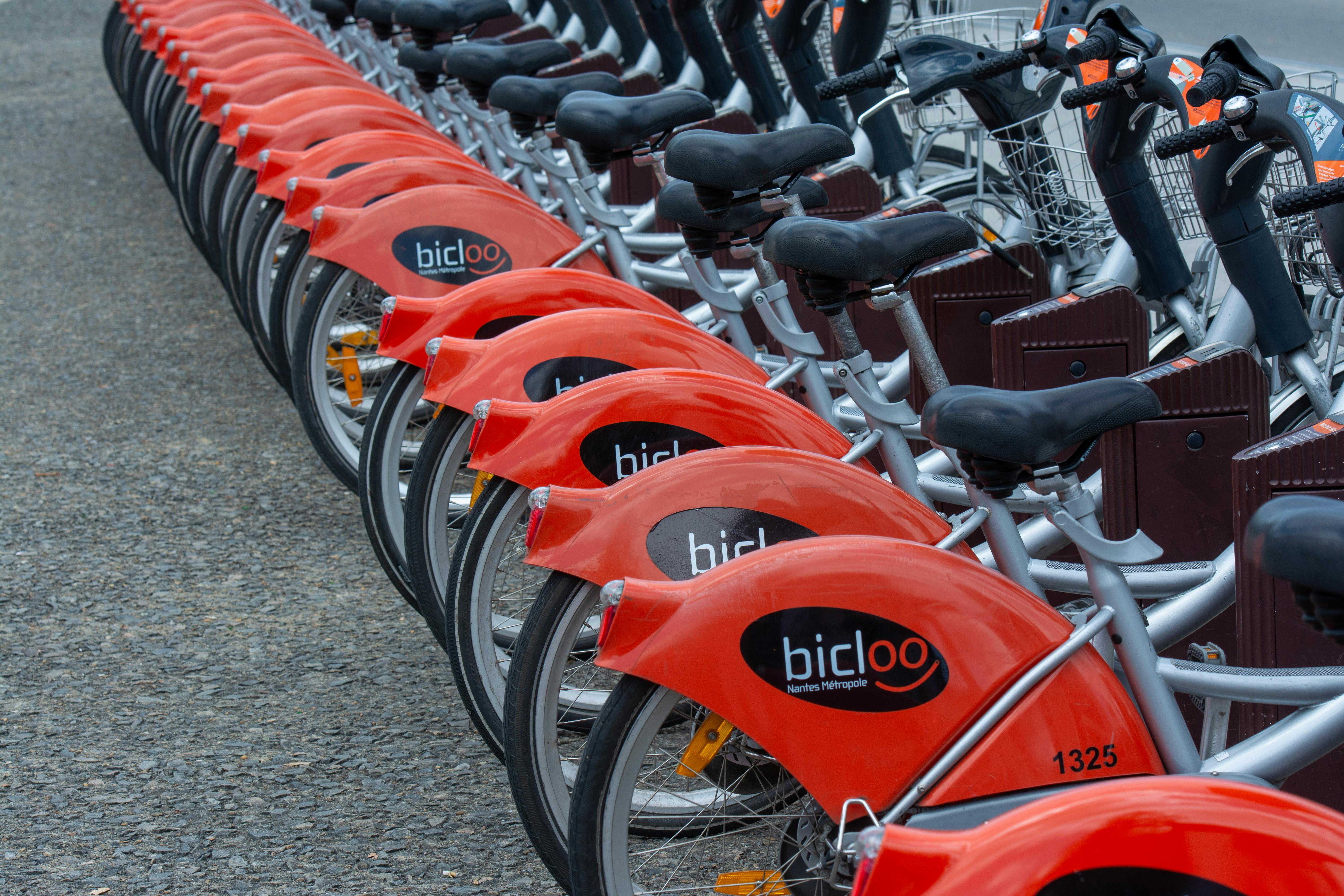
As urban landscapes evolve and the emphasis on sustainable transport grows, bicycles have become a staple in business fleet operations. From delivery services to eco-friendly commuting solutions, bicycles offer an efficient and economical alternative to traditional vehicles. However, to maintain their utility and reliability, regular servicing of bicycle fleets becomes paramount. Efficient fleet servicing is not just about maintaining the bicycles in good working order; it also encompasses strategic management to optimize performance and reduce operational costs.
Why Fleet Servicing is Critical for Business Owners
Fleet servicing for bicycles ensures that businesses can rely on their fleet for daily operations without unexpected breakdowns. A well-maintained fleet is crucial for several reasons:
- Operational Efficiency: Regular servicing minimizes downtime, ensuring that bicycles are always ready for use.
- Cost-Effective: Proactive maintenance reduces the risk of major repairs, saving money in the long run.
- Safety Assurance: Regular checks and maintenance improve the safety of riders, reducing accident risks.
- Longevity of Assets: Properly maintained bicycles last longer, maximizing the return on investment.
For business owners looking to maximize these benefits, discover expert strategies here.
Key Components of an Effective Fleet Servicing Program
Routine Maintenance Checks
Routine maintenance is the backbone of any fleet servicing program. It includes:
- Regular inspection of tires, brakes, and chains to ensure optimal performance.
- Lubrication of moving parts to prevent wear and tear.
- Adjustment of gears and brakes for smooth operation.
These checks are essential and can be tailored to the specific needs of a business. Learn about our tailored solutions for more insights.
Advanced Diagnostic Techniques
Incorporating advanced diagnostic techniques helps in identifying potential issues before they become problematic:
- Using digital tools and software to monitor bicycle health and performance.
- Conducting regular data analysis to predict maintenance needs.
By implementing these techniques, businesses can ensure the smooth operation of their fleets. Explore advanced guides and tips to stay ahead of the curve.
Training and Development
A knowledgeable team is essential for maintaining a bicycle fleet:
- Regular training sessions for staff on maintenance techniques and safety protocols.
- Workshops on new technologies and tools in bicycle servicing.
These initiatives empower employees to handle minor repairs and adjustments, enhancing fleet reliability. Find out more about this approach to bolster your team?s capabilities.
Implementing a Fleet Management System
An effective fleet management system can revolutionize how businesses handle their bicycle fleets:
- Centralized tracking of maintenance schedules and service history.
- Automated alerts for upcoming maintenance tasks.
- Comprehensive reporting to assess fleet performance and identify areas for improvement.
For businesses aiming to streamline their operations, a robust fleet management system is indispensable. Explore advanced guides and tips for implementing such systems effectively.
Conclusion
Efficient fleet servicing is not merely about keeping bicycles in working order; it is a strategic approach to fleet management that supports business growth and sustainability. By focusing on regular maintenance, advanced diagnostics, staff training, and implementing a fleet management system, businesses can ensure their bicycle fleets are always ready to meet operational demands. For those seeking to enhance their fleet servicing capabilities, discover expert strategies here to get started.