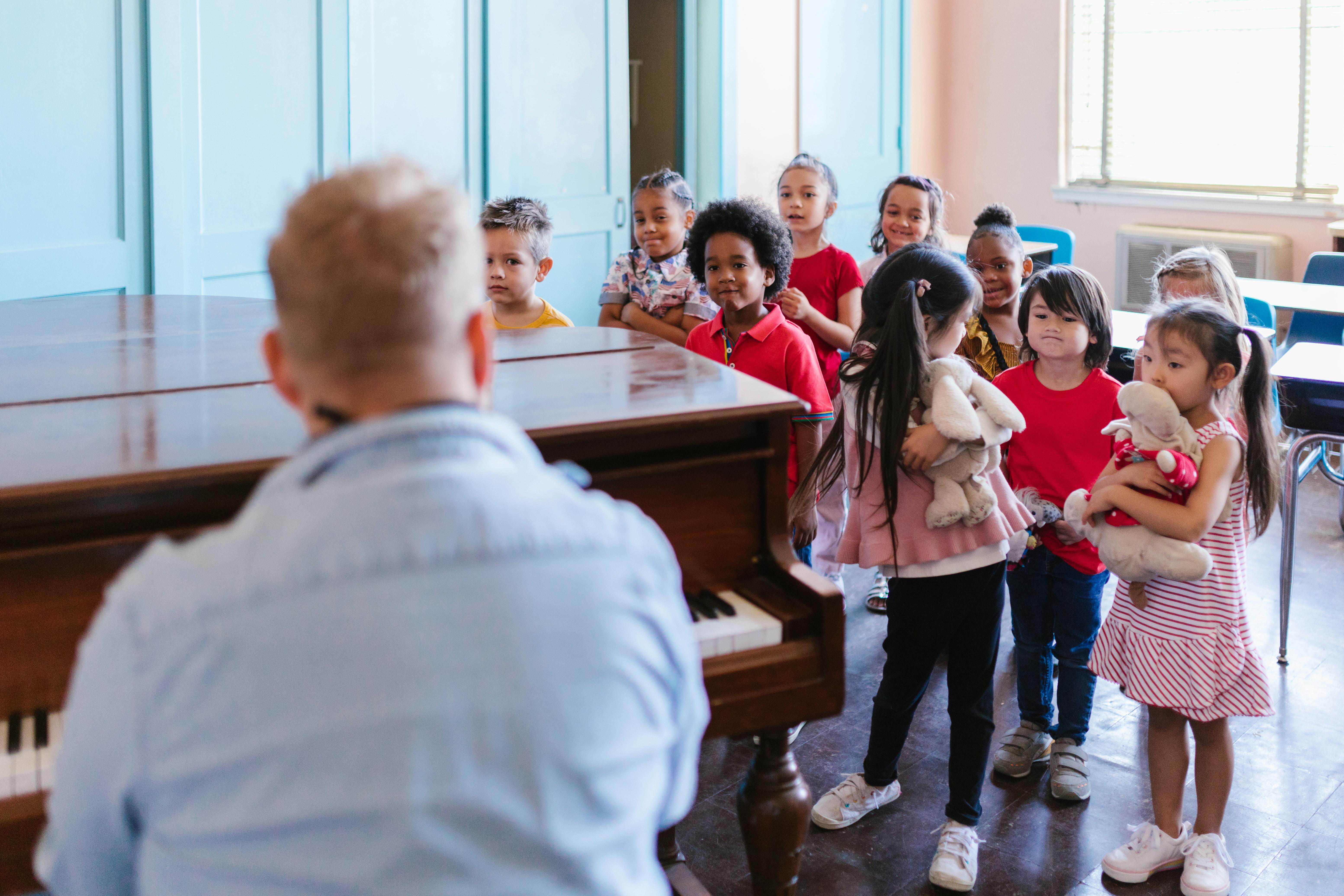
Music has a profound impact on the development of children, offering a multitude of benefits that extend beyond mere entertainment. From enhancing cognitive skills to fostering emotional expression, engaging kids in music classes from an early age can play a pivotal role in their overall growth. These classes provide a creative outlet and can be tailored to suit various age groups, ensuring that every child receives an enriching experience. With a diverse range of music classes available, it’s essential to understand how these programs can cater to different developmental stages and interests of children.
Why Music Classes Matter for Children
Music classes offer a unique blend of education and fun, making them an ideal choice for children of all ages. Here are some reasons why they matter:
- Cognitive Development: Music education enhances memory, attention, and the ability to multitask. It also contributes to improved mathematical skills due to the rhythmic patterns involved.
- Emotional Growth: Children learn to express their emotions through music, which can help in developing empathy and understanding different perspectives.
- Social Skills: Participating in group music classes encourages teamwork, communication, and collaboration among peers.
- Creativity and Imagination: Music classes inspire creativity, allowing children to create and explore, fostering a sense of imagination.
For more insights into the importance of music education, read more about this topic.
Tailoring Music Classes to Age Groups
Early Childhood (Ages 0-5)
During the early years, music classes focus on sensory experiences and foundational skills. Activities typically include:
- Interactive Songs: Simple songs with actions help develop motor skills and coordination.
- Rhythm Games: Clapping and tapping to beats introduce basic rhythm comprehension.
- Exploratory Play: Children experiment with different sounds using various instruments.
To explore further insights on music classes for young children, learn more in this detailed guide.
Middle Childhood (Ages 6-12)
As children grow, music classes become more structured, emphasizing skill development and performance. Key elements include:
- Instrumental Lessons: Children can begin learning instruments such as the piano, violin, or guitar, which aids in developing discipline and concentration.
- Music Theory: Basic music theory is introduced to help children understand musical concepts and notation.
- Choir and Ensemble: Group performances enhance listening skills and teamwork.
Find additional information about music classes for this age group here.
Adolescence (Ages 13-18)
For teenagers, music classes can become a more significant part of their identity and personal expression. Classes may offer:
- Advanced Instrumental Training: Focused lessons on technique and repertoire building.
- Songwriting and Composition: Encourages creativity and allows students to express their thoughts and emotions through original music.
- Performance Opportunities: Participation in concerts and competitions to build confidence and stage presence.
To discover how music can be a transformative experience for adolescents, explore further insights here.
Choosing the Right Music Class
When selecting a music class for children, consider the following:
- Interests and Preferences: Choose classes that align with the child’s musical interests, whether it be singing, playing an instrument, or composing.
- Teacher Credentials: Ensure the instructors have the necessary experience and qualifications to provide quality music education.
- Class Size and Structure: Smaller classes offer more personalized attention, which can be beneficial for younger children or beginners.
- Curriculum: A well-rounded curriculum that includes theory, practice, and performance opportunities is ideal.
For a comprehensive guide on selecting the appropriate music class, find additional information here.
Music classes can be a vital component in a child”?s development, offering a blend of educational benefits and personal growth opportunities. By engaging children in music from a young age, parents can help nurture a lifelong appreciation for music and the arts.