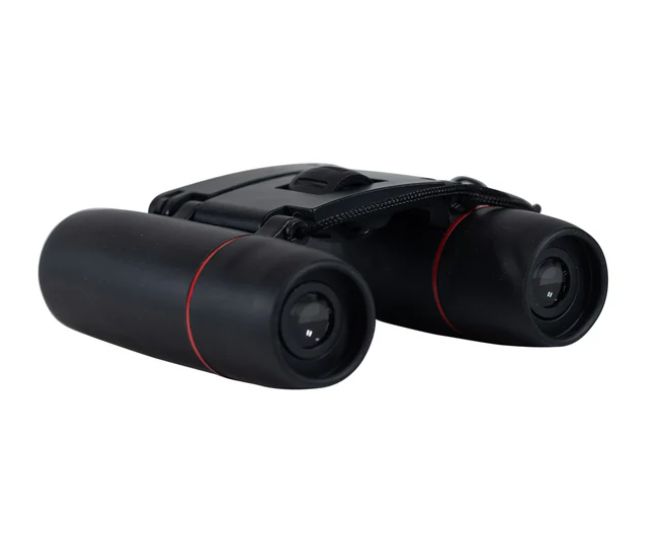
When planning an adventurous getaway, whether it’s hiking through rugged terrains or birdwatching in serene landscapes, having the right pair of travel binoculars can significantly enhance the experience. Binoculars bridge the gap between what the naked eye can see and the exquisite details that nature has to offer. Choosing the right pair requires understanding several factors that can affect both the quality of the view and the ease of carrying them along on your travels.
Identifying Your Needs
Before diving into the technical aspects of binoculars, it’s crucial to identify the primary purpose for which they will be used. Different activities require different specifications:
- Birdwatching: Opt for binoculars with higher magnification and a wide field of view to capture fast-moving birds.
- Hiking: Lightweight and compact models are ideal for long treks where every ounce counts.
- Stargazing: Larger objective lenses are more suitable for capturing faint celestial objects.
Key Features to Consider
Magnification and Objective Lens Diameter
Binoculars are commonly defined by two numbers, such as 8×42. The first number represents magnification power, while the second is the diameter of the objective lenses in millimeters. Higher magnification provides a closer view but may reduce the field of view and brightness. For travel binoculars, a balance between magnification and lens size is recommended.
Field of View
The field of view (FOV) indicates the width of the area visible through the binoculars at 1,000 yards. A wider FOV is beneficial for activities like birdwatching, where tracking moving subjects is essential. Typically, binoculars with lower magnification offer a wider FOV.
Lens Coatings
High-quality lenses are often coated to reduce glare and enhance clarity. Look for terms like “multi-coated” or “fully multi-coated” to ensure optimal light transmission and minimal distortion. These coatings are particularly crucial in low-light conditions such as dawn or dusk.
Build Quality
Given the adventurous nature of travel, durability is paramount. Consider binoculars that are water-resistant or waterproof, with robust casing to withstand drops and bumps. Rubber armoring can provide an additional layer of protection and improve grip.
Weight and Size
Portability is a significant factor for travelers. While larger lenses offer better quality images, they also add bulk. Compact models can be easily carried in a backpack or around the neck without causing strain during long journeys.
Additional Considerations
Price Range
The price of binoculars can vary widely based on features and brand. Establish a budget before shopping and prioritize features that align with your intended use. There are quality options available across different price ranges.
Reviews and Recommendations
Reading user reviews and expert recommendations can provide insight into the performance and reliability of different models. Consider platforms that offer detailed comparisons and real-world testing results.
Try Before You Buy
Whenever possible, test binoculars in a store to assess comfort and ease of use. Ensure the focus mechanism is smooth and the fit is comfortable for extended use. Many retailers provide trial periods to help users make an informed decision.
Conclusion
Selecting the perfect pair of travel binoculars involves a careful evaluation of personal needs and understanding key features. By prioritizing factors such as magnification, field of view, and build quality, travelers can find a pair that enhances their outdoor adventures. With the right binoculars, nature’s wonders are just a closer look away, making every exploration a memorable experience.