Orchids are known for their exquisite beauty and diverse species. Yet, maintaining healthy orchids can be a challenge for both novice and seasoned gardeners. A key factor in caring for these plants is selecting the right potting mix. The substrate not only supports the plant but also plays a crucial role in its growth and bloom quality. This guide dives into the essentials of orchid plant potting mix to ensure vibrant and healthy blooms.
Understanding Orchid Potting Mix
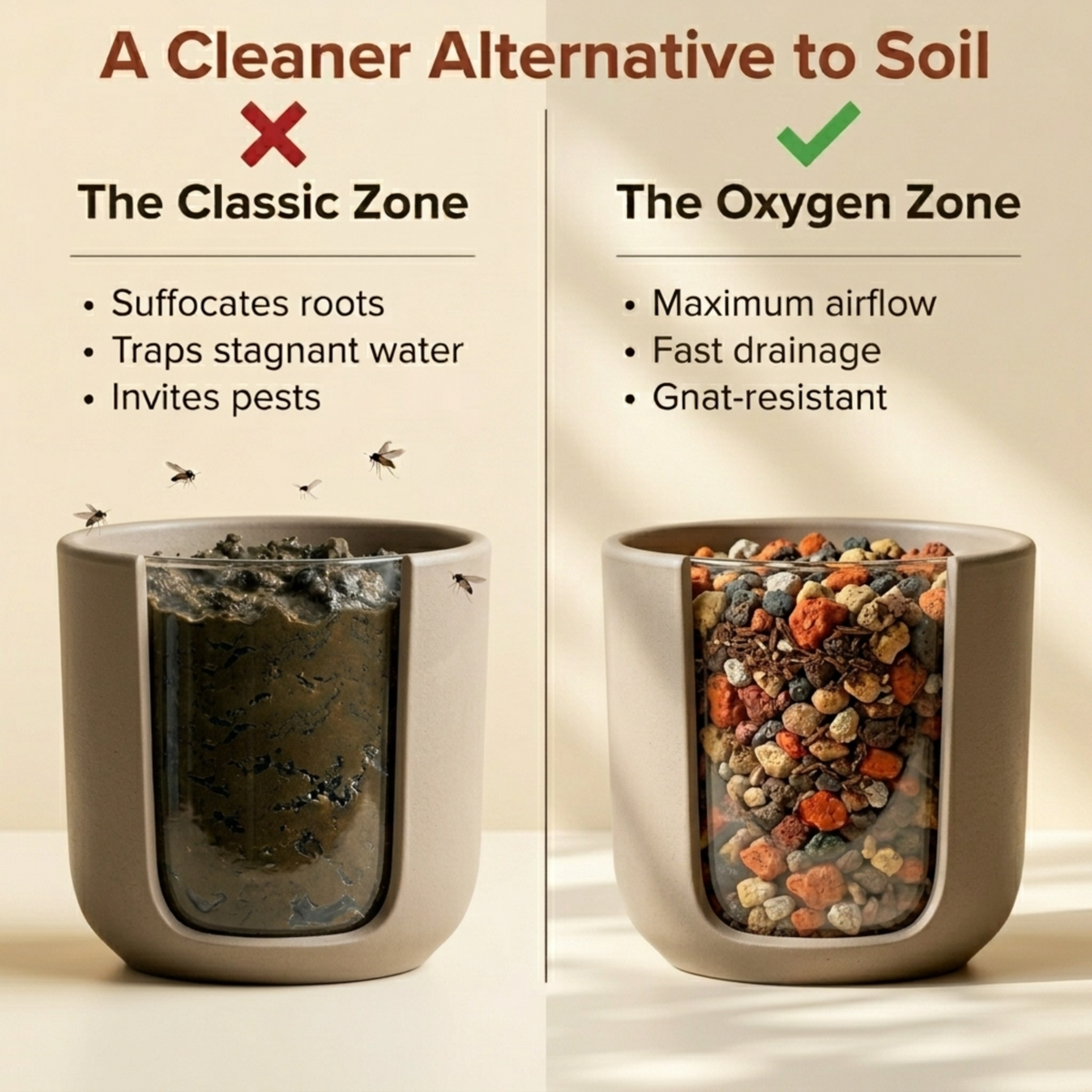
Unlike many other houseplants, orchids do not thrive in traditional soil. Their natural habitat often consists of trees or rocky surfaces where they cling with their roots. This demands a specialized potting mix that can simulate such conditions. A good orchid plant potting mix typically includes components that promote aeration, drainage, and nutrient availability.
Key Components of Orchid Potting Mix
- Bark: Commonly used as a base in orchid mixes, bark provides excellent aeration and helps mimic the natural environment of epiphytic orchids.
- Sphagnum Moss: Known for its water retention properties, sphagnum moss can help maintain moisture levels around the orchid roots.
- Perlite: This lightweight volcanic glass enhances drainage and aeration, allowing roots to breathe efficiently.
- Charcoal: Helps in absorbing impurities and maintaining the freshness of the potting mix.
Choosing the Right Mix for Your Orchid
The choice of potting mix should be tailored to the specific needs of your orchid species. Consider the following factors:
Epiphytic Orchids
- These orchids, such as Phalaenopsis and Cattleya, thrive best in a mix dominated by bark.
- Ensure the mix provides ample aeration and drainage to prevent root rot.
Terrestrial Orchids
- Species like Paphiopedilum prefer a denser mix with more moisture-retentive components like sphagnum moss.
- Adjust the mix to maintain a balance between moisture and aeration.
Maintaining the Potting Mix
Regular maintenance of the potting mix is crucial to sustain healthy orchid growth. Here are some tips:
- Repotting: Orchids should be repotted every 1-2 years. This helps refresh the potting mix and allows for growth space.
- Monitoring moisture: Overwatering can lead to root rot. Use a moisture meter or simply touch the mix to ensure it’s slightly dry before watering.
- Checking for pests: Regularly inspect the potting mix for pests like fungus gnats, which can hinder orchid health.
Conclusion
The journey to mastering orchid care is filled with learning and discovery. Selecting the right orchid plant potting mix is foundational to this process. By understanding the needs of these unique plants and providing an environment that closely mimics their natural habitat, gardeners can enjoy the rewards of lush, vibrant blooms. Whether experimenting with different mix components or adjusting watering schedules, the key lies in observing and adapting to the needs of these delicate beauties.